HanzoEdu Home

Category

Culture & Opinion

11 articles

The Practice That Never Ends: How the Samurai's Relationship With Perpetual Refinement Can Liberate America's Perfectionists

The Practice That Never Ends: How the Samurai's Relationship With Perpetual Refinement Can Liberate America's Perfectionists

American high achievers are suffering under the weight of a finish line that keeps moving — and the mental health consequences are measurable and growing. The samurai tradition offers a radical reorientation: that mastery is not a destination to be reached but a living practice to be sustained, and that this understanding, far from lowering the bar, is precisely what allows the bar to rise. This article makes the case for why perfectionists need to abandon completion and embrace the endless kata
Into the Shadow, Toward the Truth: How the Warrior's Practice of Confronting the Hidden Is Transforming American Relationships

Into the Shadow, Toward the Truth: How the Warrior's Practice of Confronting the Hidden Is Transforming American Relationships

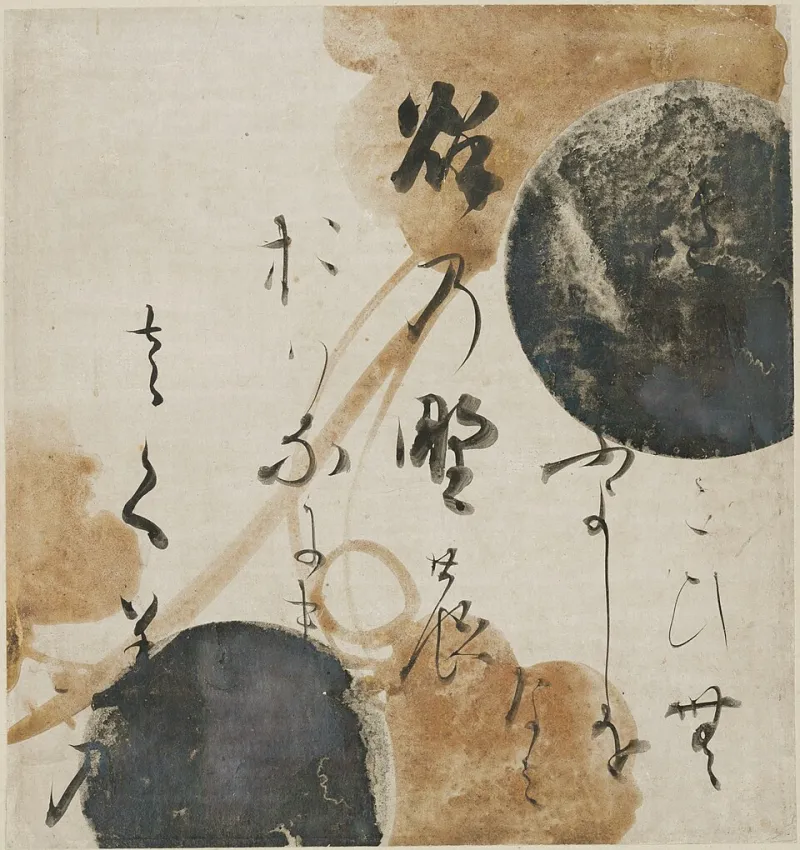
The historical warrior did not only train to face external adversaries — the deepest tradition required confronting what was concealed within. This ancient discipline of engaging with the uncomfortable and the unspoken is finding new resonance among Americans who are learning that the most courageous conversations are often the ones they have been most carefully avoiding.

Owning the Blade: What Samurai Accountability Reveals About America's Apology Problem

Owning the Blade: What Samurai Accountability Reveals About America's Apology Problem

In feudal Japan, a samurai who caused harm did not reach first for an explanation. He reached for responsibility—unqualified, unhesitating, and without the protective scaffolding of context or justification. This standard of accountability, once the bedrock of an entire warrior culture, stands in sharp contrast to the defensive, conditional apologies that have become the dominant currency of conflict resolution in modern America. The gap between these two approaches is not merely cultural. It is

Steel Forged in Fire: How the Warrior's Code Is Rewriting the Stories of Americans Emerging from Incarceration

Steel Forged in Fire: How the Warrior's Code Is Rewriting the Stories of Americans Emerging from Incarceration

For many Americans leaving correctional facilities, the most daunting challenge is not legal or logistical — it is the question of who they are allowed to become. In dojos and community centers across the country, kendo and samurai philosophy are offering a radical answer: the warrior's code does not recognize a person's worst chapter as their final one. These are the stories of men and women who found, in the discipline of the sword, the architecture of a new self.

She Trains, She Leads: How American Women Are Rewriting the Warrior Narrative at the Dojo

She Trains, She Leads: How American Women Are Rewriting the Warrior Narrative at the Dojo

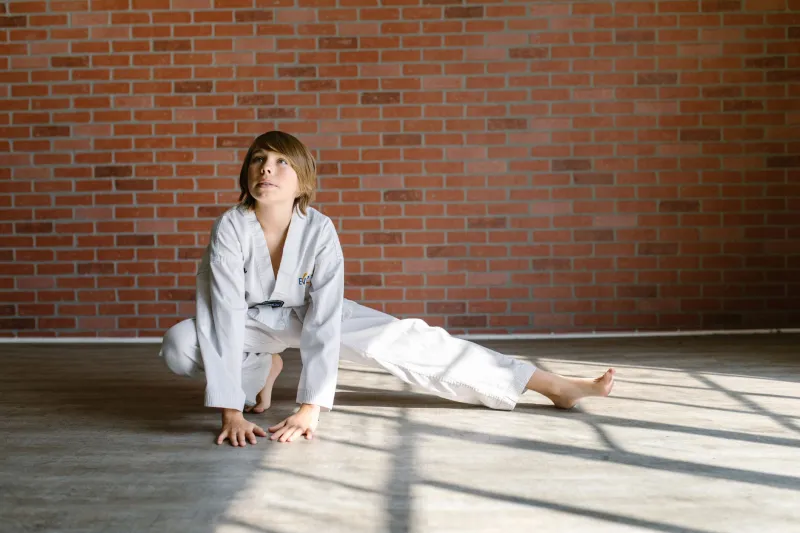
Something significant is happening on the training floors of American dojos, and it has little to do with the men who once defined them. Women — energized by powerful female archetypes in Japanese animation and manga — are enrolling in traditional martial disciplines at unprecedented rates, reshaping not only who trains but how entire schools operate.

Controllers Down, Bokken Up: How Video Games Are Sending Gen Z to the Dojo

Controllers Down, Bokken Up: How Video Games Are Sending Gen Z to the Dojo

A generation raised on games like Ghost of Tsushima and Sekiro is discovering that the warrior path extends far beyond the screen. Across the United States, young Americans are enrolling in Kenjutsu and Iaido programs, driven by a digital fluency with samurai culture that is finding its most meaningful expression in real-world discipline. The trend raises important questions about what gaming culture gets right — and what it necessarily leaves out — about the authentic martial tradition.

Backyard Warriors: The Grassroots Dojo Movement Quietly Transforming Small-Town America

Backyard Warriors: The Grassroots Dojo Movement Quietly Transforming Small-Town America

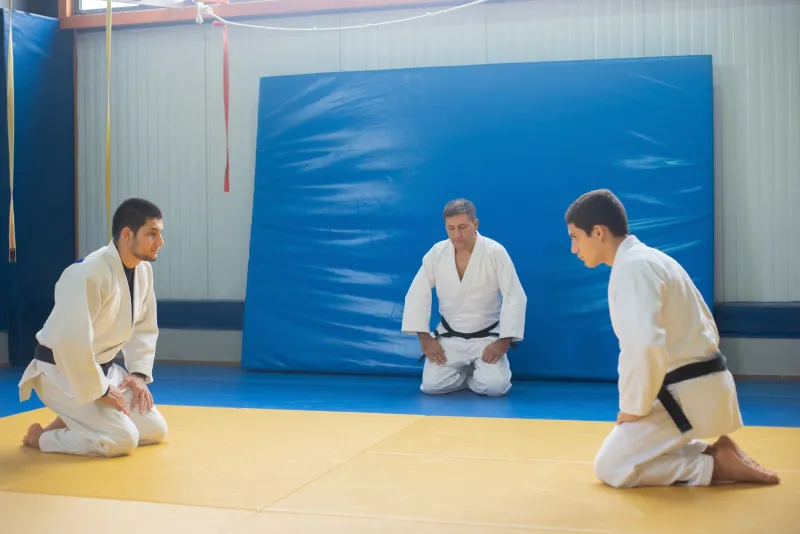
Across rural counties and mid-sized towns far from any commercial martial arts studio, a quietly determined movement is taking root — one garage, barn, and backyard at a time. Ordinary Americans, inspired by Japanese warrior traditions and figures like Hanzo, are building their own training spaces and forging communities around self-discipline, cultural curiosity, and the timeless appeal of the martial path. This is the story of a distinctly American reinvention of an ancient practice.

The Quiet Arrow: How Americans in Unexpected Places Are Rediscovering the Japanese Art of Kyudo

The Quiet Arrow: How Americans in Unexpected Places Are Rediscovering the Japanese Art of Kyudo

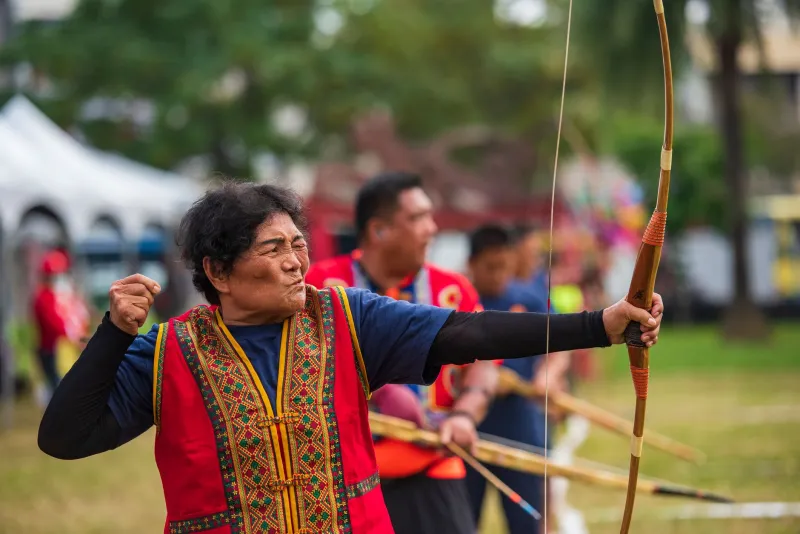
In a converted barn in rural Texas and a community center in suburban Ohio, Americans are drawing back the bow — not to hit a target, but to find something harder to measure. Kyudo, the centuries-old Japanese martial art of archery, is experiencing a quiet but significant revival across the United States, and the reasons why illuminate something important about what this culture is currently searching for.